
Part of Farm & Food Care Saskatchewan’s engagement strategy is to partner with others in the food community. Last month, we had the unique opportunity to partner with CHEP Good Food Inc. in Saskatoon for a multi-faceted tour designed for high school students who assist the cooking outreach and food literacy programs.
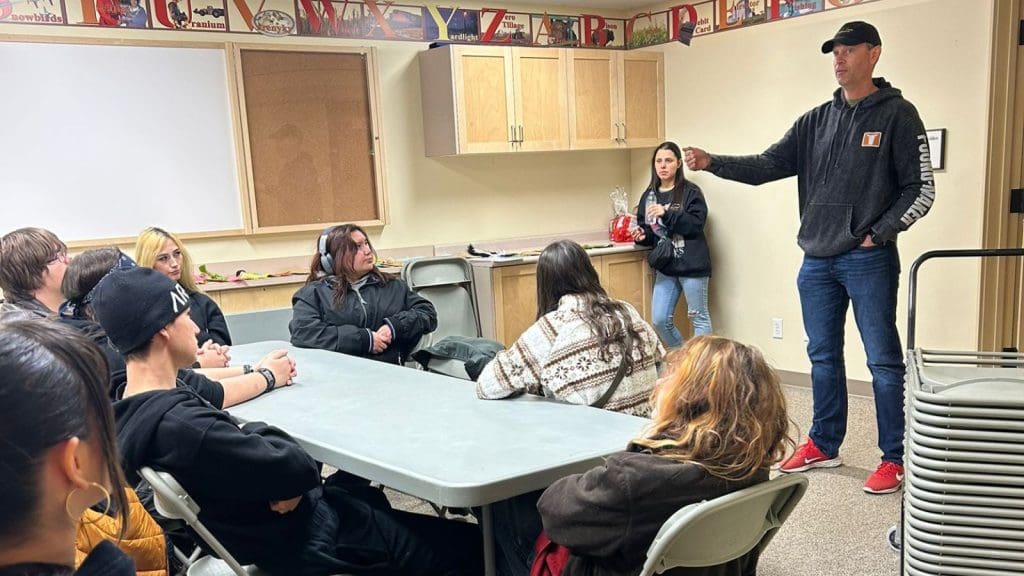
CHEP Good Food works with children, families and communities to improve access to food and advance food security. For over 35 years, CHEP has promoted and provided healthy food options to Saskatoon residents. The Good Food Youth Leaders program at CHEP engages high school students in hands-on learning experiences focused on food safety, food preparation and the full farm-to-table process. Students gain practical skills and a deeper understanding of where food comes from. The program not only builds valuable culinary and food literacy skills but also empowers youth with confidence, responsibility, and pathways to future opportunities in the food sector. While these students are busy learning how to cook, the tour with Farm & Food Care Saskatchewan was designed to show how their food is grown on farms and ranches and ends up in grocery stores.
The journey began at the Wholesale Club grocery store, where the focus was on the often-invisible world of food logistics. For many of the youth, seeing the scale of grocery store operations from massive cold storage units to the intricate receiving schedules was an eye-opener. Understanding how food moves efficiently from a processor to a kitchen is a vital lesson in food security and supply chain resilience.

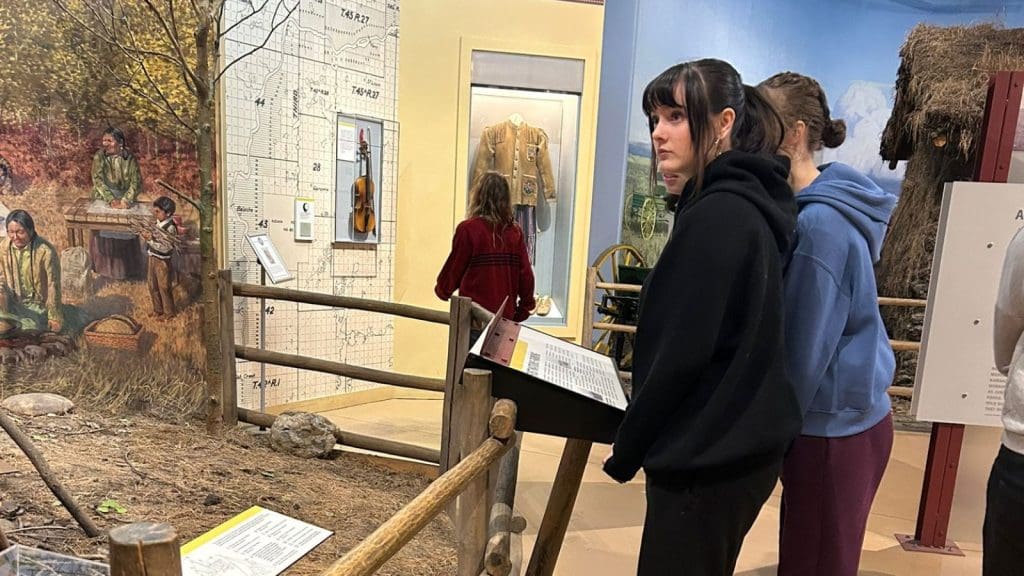
To provide context for our modern abundance, the group moved to the Western Development Museum. Here, the teenagers stepped back in time to explore the evolution of Saskatchewan agriculture. Walking among the vintage steam tractors and early tillage equipment, the students gained a deeper appreciation for the grit and innovation of the early farmers in our province. It served as a powerful reminder that the food on our tables today is the result of continual technological advancements and hard-earned experience.
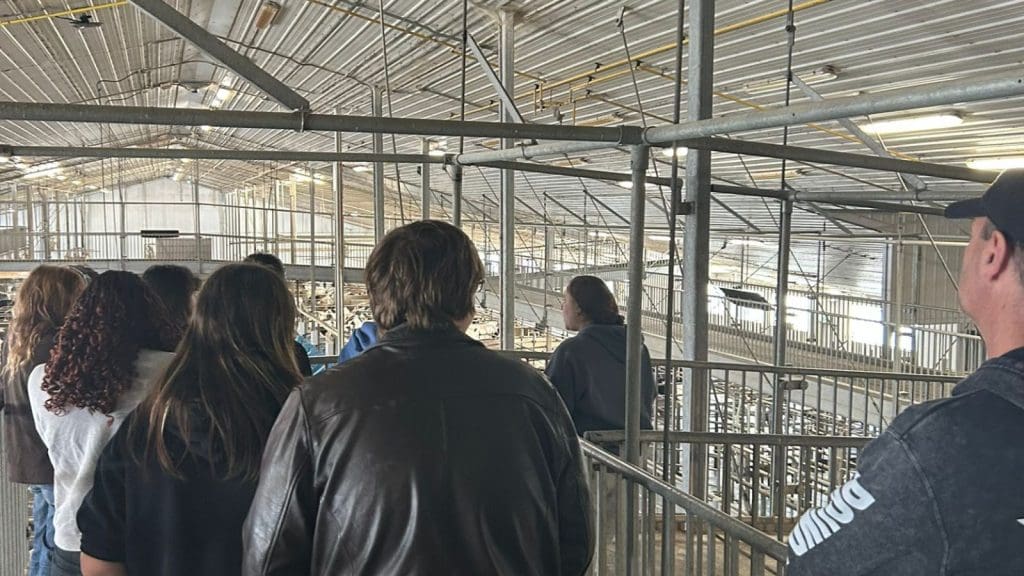
The day concluded at the Rayner Dairy Research and Teaching Facility on the University of Saskatchewan campus. Transitioning from historical machinery to a high-tech, modern dairy farm provided a perfect contrast. The students observed the robotic milking systems and learned about the precision nutrition and animal welfare standards that define the industry today. Experiencing this “living classroom” allowed the youth to ask direct questions about dairy production, debunking myths and replacing them with firsthand knowledge.
By the end of the day, these young cooks left with a well-rounded view of the Saskatchewan food story. Partnerships like this ensure that the future leaders of our food industry, and the consumers who support it, understand the dedication it takes to feed a province and the world. Collaborating with CHEP was an excellent activity to celebrate Canadian Agriculture Literacy Month!